Pool Renovation Near Me: Signs It’s Time to Upgrade Your Swimming Pool
A swimming pool rarely fails all at once. More often, it declines in small, expensive ways. A crack that looked cosmetic last summer starts widening by spring. The surface that once felt smooth underfoot becomes rough enough to scrape skin. The equipment pad gets louder, the waterline stains deepen, and the monthly utility bill creeps up until it is impossible to ignore. Homeowners usually begin with a simple question, typed into a search bar late at night or after another repair visit: is it time to look for pool renovation near me?
That question matters because renovation is not only about appearance. In many cases, it is about stopping recurring costs, improving safety, and making an aging pool easier to own. A well-planned remodel can correct structural wear, replace outdated systems, improve circulation, reduce maintenance, and reshape the entire experience of the backyard. The challenge is knowing when normal upkeep has crossed into a cycle of diminishing returns.
In Central Florida, that decision often comes sooner than owners expect. Heat, heavy rain, long swim seasons, intense UV exposure, and shifting soil conditions put steady pressure on pool finishes, decking, tile lines, and mechanical systems. Homeowners exploring pool remodeling Orlando or pool renovation Orlando services are usually not chasing trends for the sake of novelty. They are responding to practical signs that the pool they have no longer performs the way it should.
When repairs stop solving the real problem
Every pool needs maintenance. That alone is not a reason to renovate. Pumps fail, lights burn out, and minor tile repairs happen. The turning point comes when separate repairs begin to reveal a deeper pattern. If you have had the same issue patched more than once in two or three years, or if each service call seems to uncover another hidden deficiency, you may be dealing with an outdated system rather than a single broken part.
A common example is recurring leaks around fittings, skimmers, or old plumbing lines. One repair can make sense. Multiple leak investigations, especially in an older pool, often point to materials that have reached the end of their useful life. The same logic applies to failing plaster, loose coping, or electrical components that no longer meet modern standards. At that stage, putting money into isolated fixes may preserve the problem more than the pool.
Owners sometimes hesitate because a renovation sounds larger and more disruptive than another repair. That instinct is understandable. Yet the cost of staying reactive can be surprisingly high. It is not unusual for a homeowner to spend several thousand dollars over a few seasons on piecemeal repairs, only to authorize a major remodel anyway. When that happens, some of the earlier repair spending has little lasting value.
Surface wear that goes beyond cosmetics
The pool finish tells a clear story if you know what to look for. Plaster, pebble, quartz, and other interior surfaces age differently, but they all show signs when they are no longer protecting the shell properly. Staining alone does not always require renovation. Some discoloration is superficial and treatable. More serious warning signs include etching, pitting, flaking, delamination, and widespread roughness.
A rough finish is often dismissed until swimmers start complaining. Children are usually the first to notice. Toes scrape against steps, knees catch on shallow ledges, and the pool becomes less comfortable to use. Beyond comfort, a deteriorating finish can harbor algae in microscopic crevices, making sanitation harder and increasing chemical demand.
In Florida, older white plaster pools often begin showing significant wear somewhere around the 10 to 15 year mark, though water chemistry and maintenance habits can shift that timeline. Pebble and aggregate finishes generally last longer, but they also eventually lose integrity. If the shell itself remains sound, resurfacing during a broader renovation can restore appearance and function at the same time. It also creates an opportunity to update color, texture, and overall visual style rather than simply restoring the old look.
Cracks, movement, and structural warning signs
Not every crack is catastrophic. Hairline shrinkage cracks can be cosmetic. Structural cracks are different. If a crack changes over time, leaks water, appears near beam lines, or is accompanied by deck movement, the issue deserves a closer evaluation. Pools are rigid structures set into soil that expands, contracts, and shifts. In regions where heavy rain alternates with dry periods, that movement can stress both shell and decking.
An experienced contractor will distinguish between common surface cracking and more serious structural movement. That judgment matters. A simple patch over an active crack rarely lasts. If the underlying cause is movement, hydrostatic pressure, or shell stress, the repair strategy must address those conditions or the crack will reopen.
This is one reason homeowners should be selective when searching for pool remodeling contractor Orlando FL. Renovation is not just decorative work. A contractor needs enough technical depth to evaluate shell condition, plumbing routes, bonding, drainage, and code implications before recommending finishes and features. The most attractive rendering means little if the underlying structure remains unresolved.
Outdated equipment that costs too much to run
The mechanical side of a pool is easy to overlook because it sits behind a screen enclosure, beside the house, or tucked behind landscaping. Yet old equipment often drives the strongest financial case for renovation. A single-speed pump, an undersized filter, inefficient heater, or aging automation panel can make the pool more expensive and more frustrating to operate.
Many older pools were built with equipment standards that no longer represent best practice. Variable-speed pumps, for instance, can significantly reduce electricity use compared with older single-speed models, particularly in markets with long filtration cycles and warm weather. Cartridge and large-capacity filters often improve ease of maintenance. Modern salt systems, heaters, and automation controls can also make day-to-day ownership far simpler.
The decision is not always about buying the newest technology. It is about matching equipment to how the pool is actually used. A family pool that runs year-round in Orlando has different needs quartz pool finish orlando from a lightly used seasonal pool in a milder climate. Renovation creates a chance to right-size those systems. That can mean replacing noise and inefficiency with quieter circulation, more stable water quality, and lower monthly operating costs.
Safety standards have changed, and older pools show it
A pool built 20 or 30 years ago may still function, but it may not align with current expectations for safety. Changes in drain design, handrail placement, entry points, deck traction, lighting, and barrier systems have reshaped what safe pool ownership looks like. Renovation is often when these issues finally get addressed, especially if the home has changed hands or young children have entered the picture.
Slippery deck surfaces are a common complaint. So are steep, narrow entry steps that feel awkward for older adults. Poor underwater lighting can make evening swimming less safe and less inviting. Broken or outdated drain covers should never be treated as cosmetic concerns. Nor should loose coping, cracked deck edges, or unstable ladder anchors.
A responsible renovation plan balances appearance with practical use. That may mean adding a sun shelf that doubles as a safer transition zone for children, replacing old deck material with a more slip-resistant surface, improving nighttime visibility, or redesigning steps and benches for easier access. The best upgrades usually feel natural once completed, as if the pool should always have worked that way.
The backyard no longer matches how you live
Many pools were designed for a previous era of backyard use. Deep diving pools remain in homes where no one dives. Large empty decks sit unused because there is no shade or seating area that invites people to stay outside. Narrow coping and dated geometry can make the whole yard feel older than the house itself.
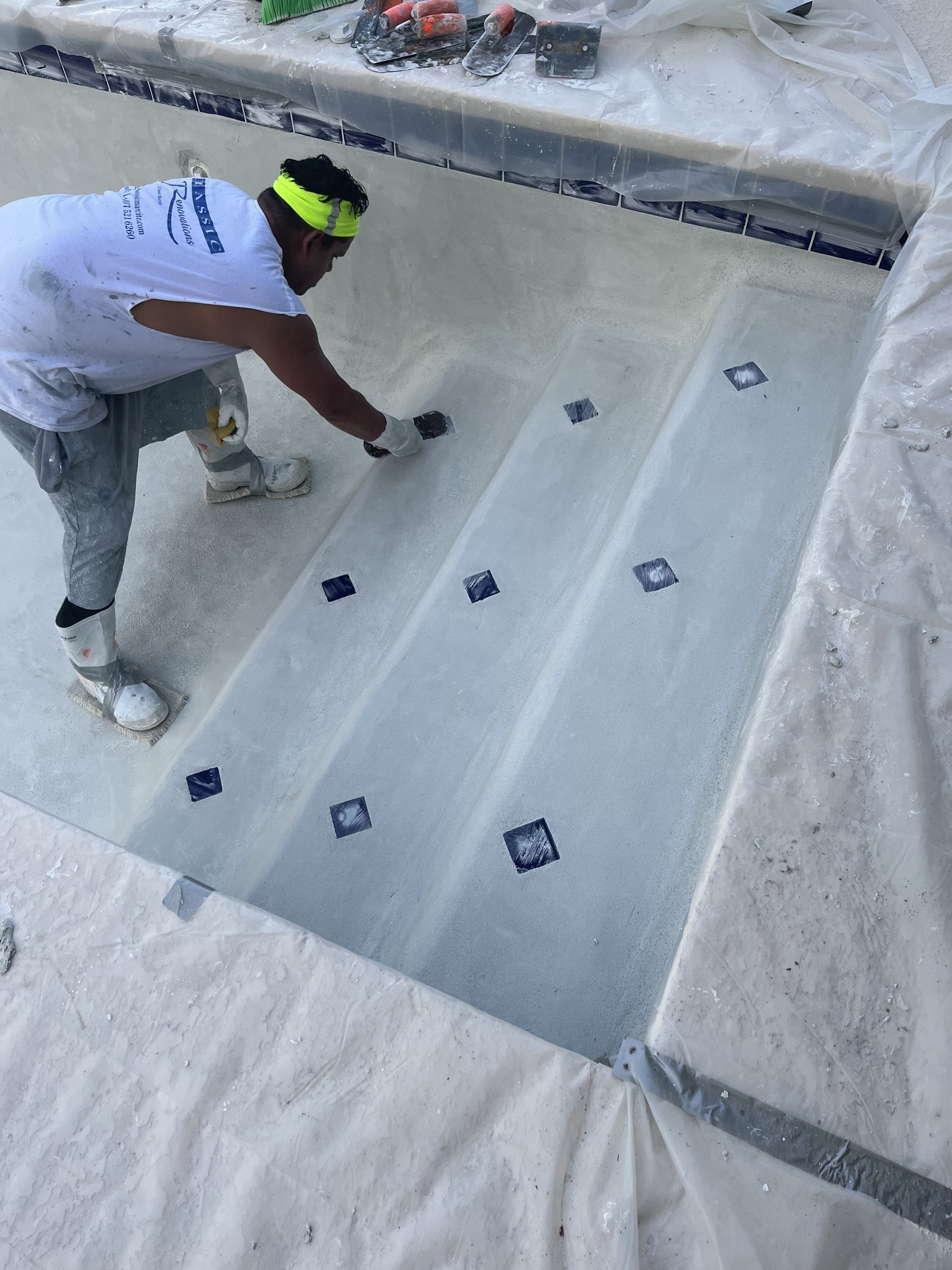
This is where renovation moves beyond repair and becomes an investment in livability. Owners are often surprised by how much better a pool can function without changing its footprint dramatically. Adjusting depth transitions, adding a tanning ledge, expanding steps, integrating a spa, updating waterline tile, or redesigning deck flow can transform a pool from a maintenance obligation into a space people actively enjoy.
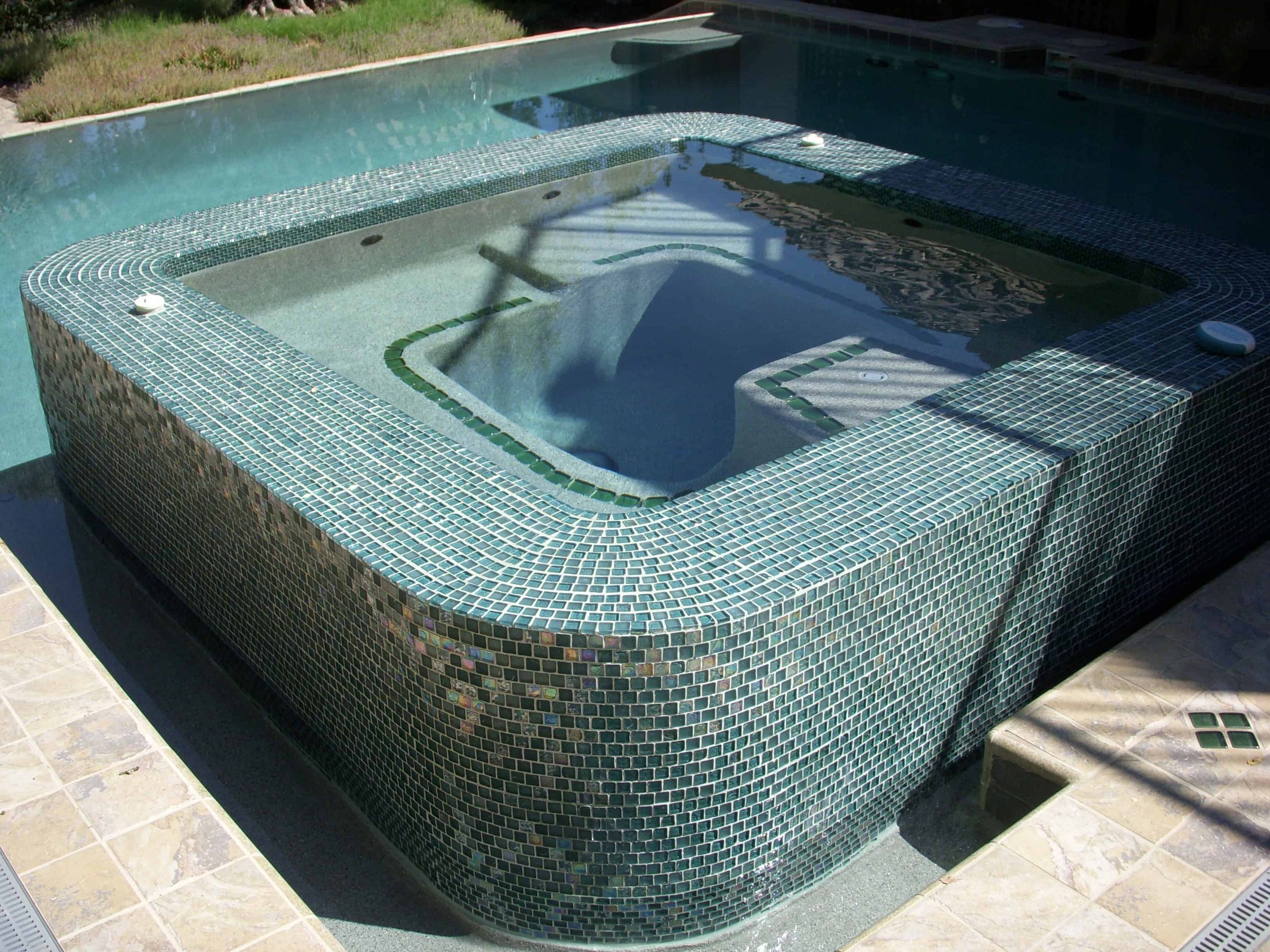
I have seen homeowners tolerate a pool they barely used for years, then after a thoughtful remodel spend nearly every weekend outdoors. The difference was not extravagance. It was suitability. The pool fit the household at last. A retired couple wanted easier entry, gentler surfaces, and evening lighting. A family with teenagers wanted a cleaner modern look, stronger circulation, and a shallow social area. A vacation rental owner needed durability and visual impact that photographed well. All were renovation clients, but none needed the same design.
Stains, scale, and tile damage that keep returning
Stains along the waterline and scale buildup on tile can sometimes be corrected through cleaning and chemistry adjustments. When those problems come back quickly, or when tile begins loosening, cracking, or falling away, the pool may be signaling broader age-related deterioration. Waterline tile sits in one of the harshest zones in the pool. It faces constant wet-dry cycling, chemical exposure, and movement between the shell and coping.
Old thinset, failing grout, and shifting bond beams can all lead to visible tile failure. If isolated sections keep detaching, it is worth asking whether the beam and coping need attention too. Renovating only the tile may not solve the issue if the substrate has weakened. This is where experienced diagnosis matters more than surface-level bids.
For owners seeking pool remodeling near me, tile replacement is often the first aesthetic update they consider because it provides immediate visual change. That makes sense, but it should be approached as part of the system, not merely decoration. Good renovation work treats waterline tile, coping, beam condition, and finish compatibility as connected decisions.
Decking problems often reveal the true scope
Homeowners tend to focus on the pool itself, but the deck frequently drives the final renovation decision. Cracked concrete, settled pavers, uneven transitions, drainage problems, and outdated textures affect how the entire outdoor area feels. A pool can have decent water quality and functional equipment yet still feel neglected because the surrounding deck is failing.
Deck issues matter for more than curb appeal. Ponding water can create slip hazards and contribute to staining. Differential settlement can trip guests. Hot surfaces become unpleasant in direct sun, especially in Florida summers. If the deck no longer drains correctly, water may wash debris into the pool or collect near the home’s foundation.
A renovation that ignores the deck often feels incomplete. The smartest projects usually evaluate the pool and deck together, even if the owner decides to phase the work. Matching elevations, drainage, and material transitions at the planning stage avoids awkward results later.
Signs that usually justify a serious renovation review
Not every symptom means a full remodel is necessary, but some combinations should prompt a thorough assessment from a qualified professional.
- Surface roughness, pitting, or flaking across large areas
- Repeated leak repairs or unexplained water loss
- Cracked or shifting deck sections near the pool edge
- Equipment that is noisy, inefficient, or increasingly unreliable
- A design that feels unsafe, dated, or difficult to enjoy
When two or three of these issues appear together, the economics often start favoring renovation over ongoing patchwork.
Orlando-specific considerations that shape renovation timing
In Orlando, pool ownership is closer to year-round than seasonal. That changes the wear pattern. More run time means more stress on pumps, filters, chlorination systems, and heaters. Strong sun exposure can fade finishes and heat deck surfaces beyond comfort. Frequent storms challenge drainage and can reveal weak spots in decking, screens, and electrical systems.
There is also a market factor. In many neighborhoods, the pool is a major feature of the property, not an afterthought. An outdated or visibly worn pool can drag down the perceived quality of the entire backyard. For homeowners considering resale within a few years, that matters. Buyers tend to react quickly to old finishes, dated tile bands, and equipment pads that look improvised or neglected. A smart pool renovation Orlando project can improve both use and presentation, especially when it aligns the backyard with the home’s overall style.
Still, not every renovation should be driven by resale alone. Some owners overbuild for the neighborhood and recover little of the premium they spend. Others underinvest and miss obvious improvements that would make ownership easier for years. Good pool resurfacing orlando judgment sits in the middle. The right scope depends on how long you plan to stay, how heavily you use the pool, and which problems are functional rather than purely visual.
What a competent renovation process should look like
A serious remodeling contractor does more than offer finish samples and a rough estimate. The early conversation should cover shell condition, plumbing performance, equipment age, electrical and bonding concerns, deck drainage, permitting needs, and realistic phasing if the work may be split into stages. The goal is to identify the pool’s actual condition before aesthetic decisions start driving the budget.
The process usually works best when it follows a clear sequence:
- Assess structure, hydraulics, equipment, deck, and safety conditions
- Define priorities, repair-only, functional upgrade, or full redesign
- Select materials and features that fit maintenance expectations and climate
- Confirm permitting, schedule, and how disruptions will be managed
- Build with enough contingency for hidden conditions once demolition begins
That final point deserves emphasis. Renovation often reveals issues that were not fully visible at the start. Old plumbing may be more brittle than expected. Deck removal may expose drainage failures. Coping replacement may reveal bond beam damage. A contractor who has renovated many older pools will expect some uncertainty and explain it clearly, rather than pretending every detail is knowable on day one.
Choosing improvements that age well
Trends come and go quickly in outdoor design. Renovation dollars are better spent on decisions that still make sense ten years from now. Durable finishes, sensible hydraulics, slip-resistant decking, usable shade, and intuitive automation generally outperform highly specific design fads. That does not mean the pool should look plain. It means the style should be anchored in proportion and usability rather than novelty alone.
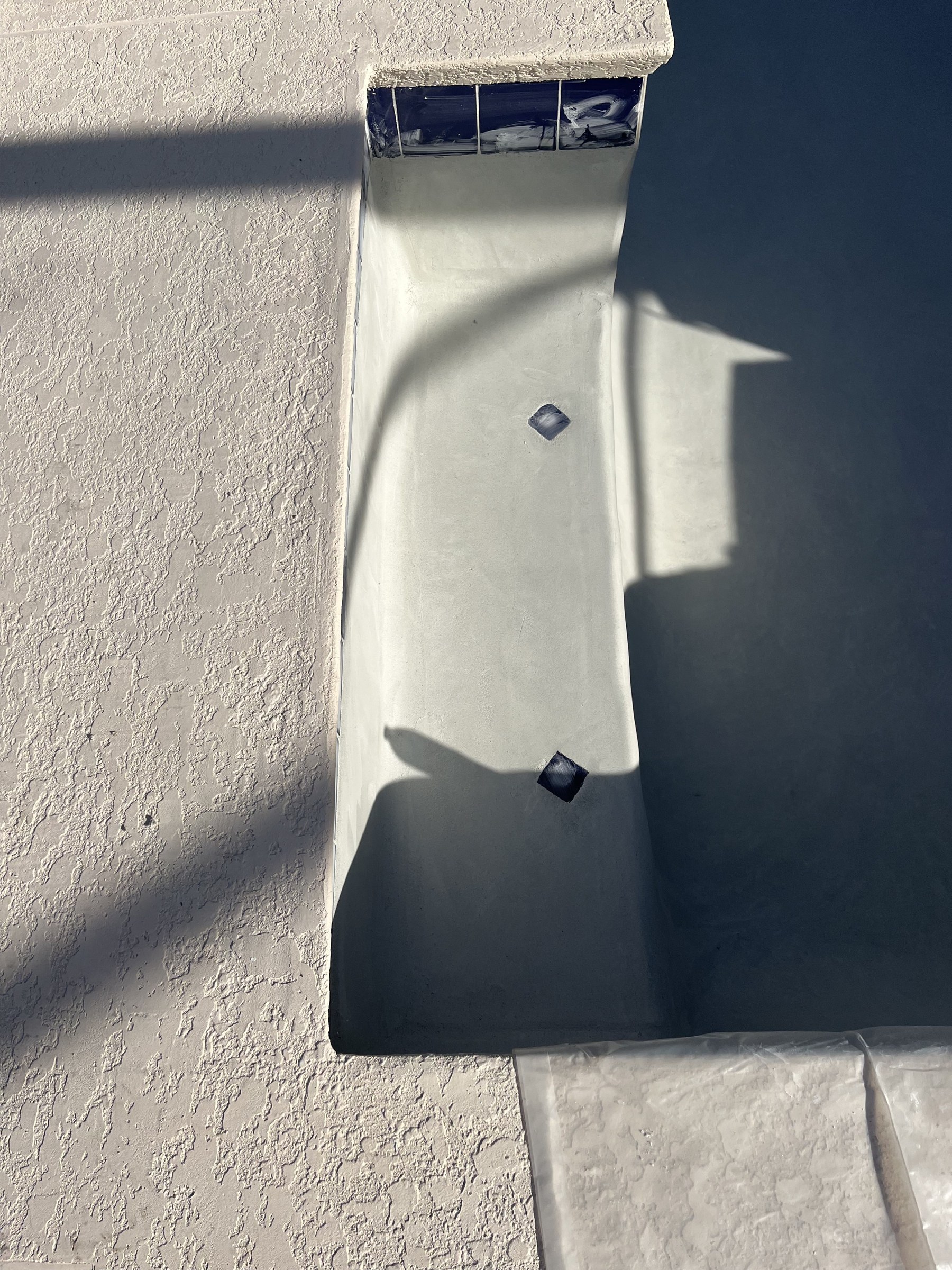
For example, adding a sun shelf can be valuable if the yard supports that use and the remaining swim area stays practical. Converting a deep pool to a more versatile profile can make sense for households that never dive. Replacing old blue waterline tile with a cleaner, more architectural finish often updates the entire space without overcomplicating it. On the equipment side, simpler reliable systems usually serve owners better than feature-heavy setups they rarely use or maintain poorly.
Material selection should also respect the local environment. Deck surfaces that stay cooler under sun, finishes that tolerate Florida water conditions, and tile choices that handle wet-dry cycling well are usually wiser than materials chosen purely from a showroom sample.
When a remodel can wait, and when it should not
Some pools look tired but remain fundamentally sound. If the shell is stable, equipment is functional, surfaces are serviceable, and the main complaints are stylistic, it may be reasonable to plan a future remodel rather than rush into one. There is no benefit in replacing systems prematurely if they are operating well and the owner has no immediate safety or usability concerns.
Other situations call for prompt action. Persistent leaks, exposed or failing surfaces, electrical concerns, unstable coping, deck trip hazards, and drain or suction issues should not be deferred lightly. Nor should severe chemistry instability caused by aging surfaces and equipment mismatch. Those problems tend to become more expensive, not less, with time.
For many homeowners, the best path starts with an honest site evaluation from a reputable local specialist. If you are searching for pool renovation near me, the goal should not be to hear that everything needs replacement. The goal should be clarity. Which parts of the pool are still serving you well, which parts are near failure, and which upgrades would materially improve cost, safety, and enjoyment?
That clarity is what separates a sound renovation decision from an impulsive one. A swimming pool should not feel like a recurring compromise between money spent and satisfaction gained. When the signs point clearly enough, renovation is not an indulgence. It is the practical step that returns the pool to what it was meant to be: durable, inviting, efficient, and worth stepping into.
Classic Marcite is a swimming pool contractor in Orlando, FL, resurfacing and renovating residential and commercial pools since 1988: marcite plaster, quartz, Pebble Tec and polished aggregate finishes, pool remodeling, pool deck resurfacing, tile and coping replacement, and pool repair.
430 Fairvilla Road, Orlando, FL 32808 · Serving Orlando, Windermere, Dr. Phillips, Winter Park, Maitland, Lake Mary and Heathrow
Phone: (407) 521-6260
Website: classicmarcite.com
Find us on Google Maps